

Freight Forwarding Customs and Delivery Canada: A 2026 Strategic Guide
Navigating the complex landscape of international trade requires precise coordination, especially when managing freight forwarding customs and delivery Canada for high-volume shipments. Many importers struggle with misaligned documentation and unexpected port dwell times, which often stem from poor communication between origin suppliers and destination brokers. VeloTactics Logistics provides the visibility and operational rigor needed to synchronize these workflows, ensuring that your cargo moves from Shanghai/Ningbo to domestic facilities without friction. This guide outlines the essential benchmarks, compliance gateways, and strategic decisions required to execute a seamless, cost-effective import strategy for the Canadian market this year.
Key Takeaways
A standard 40HQ container provides approximately 68-76 CBM of usable space, while a 20GP container is limited to roughly 26-28 CBM.
Air freight chargeable weight is calculated as the greater of actual weight or volumetric weight, typically using a 6,000 divisor (CBM x 167).
All commercial imports into Canada must be accurately declared to the CBSA via the ACI eManifest system before arrival at the port of entry.
Landed costs in Canada are significantly influenced by the Harmonized Sales Tax (HST) and applicable federal duties, which must be calculated based on the HS code of the commodity.
What Should Buyers Know First About Canada Shipments?
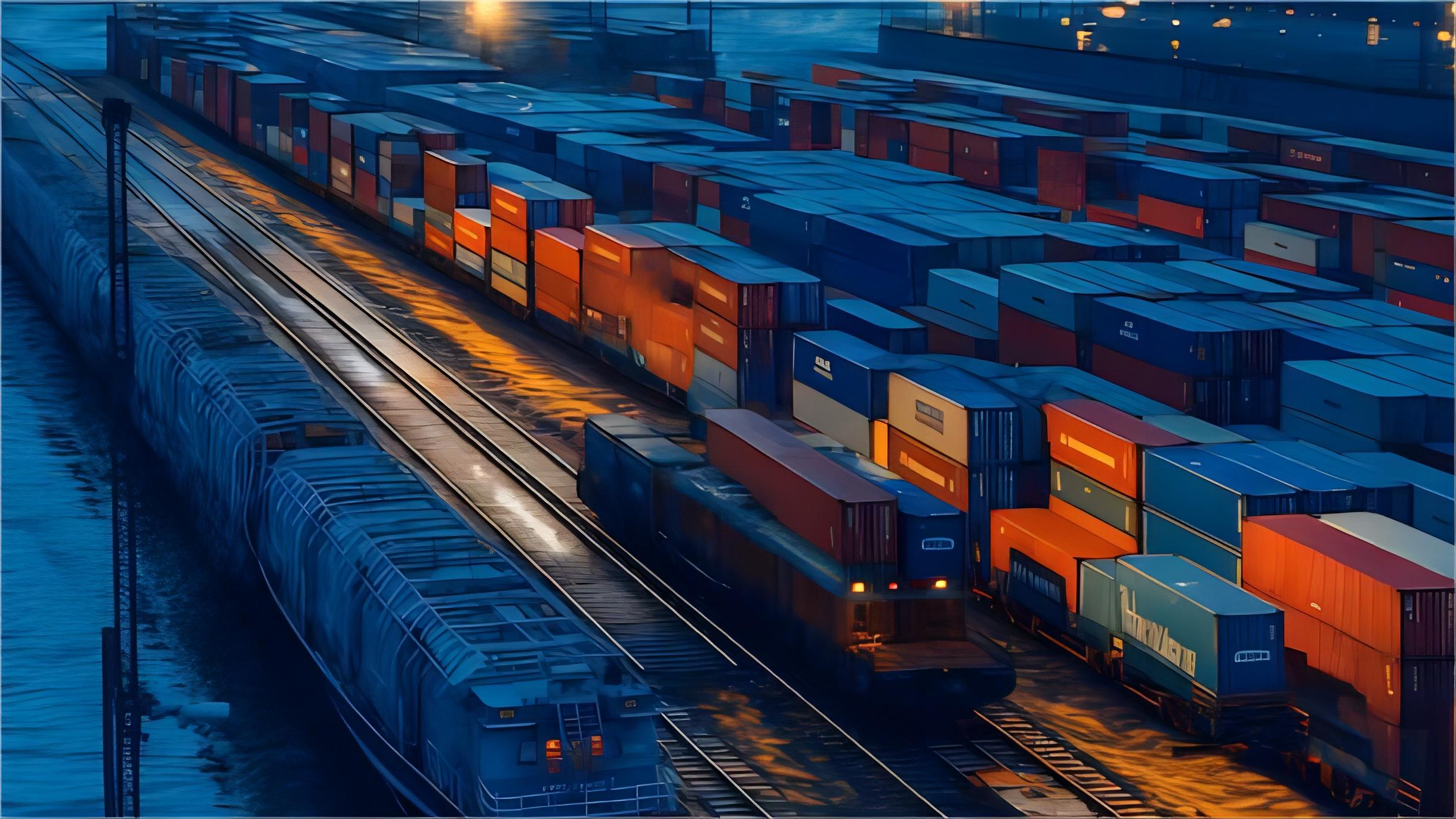
The initial phase of any import project requires a detailed analysis of the cargo profile and the legal requirements imposed by the Canada Border Services Agency. Buyers must understand that the efficiency of their logistics chain is directly tied to the accuracy of the information provided at the point of origin, including precise weight, volume, and commodity classification. Failing to account for these variables often leads to classification disputes or inspection holds that can delay delivery by several business days, resulting in significant demurrage or detention costs for the importer.
Operational success begins with the establishment of a clear, written agreement regarding Incoterms and responsibilities between the seller and the buyer. It is vital to determine whether the supplier is responsible for export clearances and local origin transport, or if the buyer is managing the entire chain from the factory door to the final destination in Canada. Clear communication regarding these boundaries prevents the common issue of ‘hidden’ origin fees that are frequently billed back to the importer after the cargo has already departed the port of origin.
Before finalizing any booking, buyers should perform a thorough audit of their product’s HS codes to estimate potential duty rates and ensure compliance with local trade regulations. Aligning the commercial invoice and packing list with these codes is the first line of defense against customs delays, which are the most common source of friction in the import process. By centralizing these records and confirming that the carrier has the correct documentation, importers can effectively mitigate the risk of administrative penalties or cargo abandonment at the port of entry.
Field note: Ensure your broker has your Business Number (BN) on file to avoid clearance delays.
Common mistake: Using generic commodity descriptions on the commercial invoice.
Risk alert: Inaccurate HTS classification can trigger mandatory CBSA audits.
How Do Routing and Gateway Choices Affect This Lane?
Choosing the right gateway for your cargo is a strategic decision that depends heavily on the final destination within Canada and the urgency of the shipment. Ports like Vancouver and Prince Rupert serve as primary entry points for trans-Pacific trade, offering direct access to the national rail network for inland movement toward Toronto or Montreal. Selecting a gateway that minimizes the distance between the port of arrival and the final point of distribution can significantly reduce drayage costs and improve the overall transit time of your supply chain.
When planning for air freight, the choice of airport is equally critical, as major hubs like Toronto Pearson (YYZ) or Vancouver (YVR) offer different levels of CFS capacity and ground handling efficiency. Buyers must evaluate the proximity of their distribution center to these airports to ensure that the final mile delivery is both cost-effective and timely. It is also important to consider the availability of bonded warehousing options near these gateways, which can provide a strategic buffer if the consignee is not ready to receive the goods immediately upon clearance.
Reliability in routing is often determined by the strength of the partnership between the freight forwarder and the local transport carriers tasked with moving the goods from the port to the door. A well-integrated sea freight or air freight service relies on robust communication regarding vessel or flight arrival times, allowing for the proactive scheduling of drayage services. Importers should prioritize routes that utilize carriers with consistent historical performance, as this reduces the likelihood of missed connections and ensures that cargo arrives on the expected delivery date.
| Gateway | Primary Mode | Dwell Time (Avg) | Risk Note |
|---|---|---|---|
| Vancouver (VAN) | Ocean | 3-5 Days | High congestion risk |
| Toronto (YYZ) | Air | 1-2 Days | High demand volume |
| Prince Rupert (PRR) | Rail | 4-6 Days | Rail capacity constraints |
| Montreal (MTL) | Ocean | 3-4 Days | Winter weather delays |
Field note: Monitor rail dwell times closely during peak winter months in Canada.
Common mistake: Ignoring the inland transit time from the port to the final destination.
Risk alert: Port congestion at Vancouver frequently spills over into rail bottlenecks.
Cost vs Speed: Decision Rules for Canada Shipments

The trade-off between cost and speed is a fundamental aspect of supply chain management that requires a clear understanding of your specific inventory needs. For high-value or time-sensitive products, air freight provides the fastest transit, allowing for leaner inventory levels and faster cash cycles, albeit at a significantly higher price point. Conversely, ocean freight remains the most economical choice for bulk shipments, but it requires longer planning horizons and a greater tolerance for potential transit delays during peak seasons.
For many businesses, the optimal solution lies in a blended approach that uses ocean freight for standard replenishment while leveraging air freight for emergency stockouts. This strategy requires a sophisticated freight forwarding partner who can manage multiple modes and provide real-time updates on cargo status. By analyzing historical sales data and lead times, importers can create a predictable replenishment cycle that balances the lower costs of sea shipping with the agility of air and express services when demand spikes occur.
Decision-making should also account for the hidden costs associated with each mode, such as the inventory carrying cost for longer lead times versus the premium paid for expedited transport. Importers must evaluate the total cost of ownership, including the cost of capital tied up in transit and the risk of lost sales due to stockouts. By prioritizing reliability and transparency in their logistics operations, companies can make informed decisions that protect their margins and improve customer satisfaction levels in the highly competitive Canadian market.
Field note: Always check for seasonal capacity surcharges before booking ocean freight.
Common mistake: Choosing the slowest mode without factoring in inventory holding costs.
Risk alert: Underestimating the cost of stockouts can negate ocean shipping savings.
What Transit Timeline Should You Expect?
Transit timelines for imports into Canada are influenced by a variety of factors, including carrier schedules, port handling times, and customs clearance efficiency. While ocean freight typically ranges from 30 to 45 days from Asian ports to Canadian gateways, these estimates are subject to change based on vessel scheduling, port congestion, and intermodal connection availability. Importers should always build a buffer into their planning to account for these variables, ensuring that their supply chain remains resilient against minor disruptions.
Air freight transit times are generally much more predictable, with standard services reaching Canadian destinations within 5 to 10 days, including time for ground handling and customs. However, the speed of these shipments can be impacted by the availability of space on direct flights and the efficiency of the local airport’s cargo terminal. For time-critical shipments, using an express service can further reduce these timelines, although this often comes with a significant increase in costs and more stringent packaging requirements for air transport.
To maintain visibility into their transit timelines, importers should utilize tracking tools provided by their logistics provider to monitor milestones throughout the journey. Proactive alerts regarding vessel departure, arrival, and customs status allow for better planning of final-mile delivery and warehouse capacity. By maintaining a clear understanding of the expected versus actual transit times, businesses can identify bottlenecks in their supply chain and take corrective action before minor delays escalate into major service failures.
| Equipment Type | Internal Volume (CBM) | Max Payload (kg / lbs) | Optimal Commodity Fit |
|---|---|---|---|
| 20ft Standard (20GP) | 28–30 CBM (26 usable) | 21,800 kg / 48,000 lbs | Dense, heavy cargo (machinery, auto parts, metals) |
| 40ft Standard (40GP) | 58–60 CBM (54 usable) | 26,500 kg / 58,400 lbs | General packaged cargo, standard palletized loads |
| 40ft High Cube (40HQ) | 68–76 CBM (68 usable) | 26,500 kg / 58,400 lbs | Bulky, lightweight goods (furniture, textiles, electronics) |
| 45ft High Cube (45HQ) | 85–86 CBM (78 usable) | 27,500 kg / 60,600 lbs | High-volume consumer retail distribution |
Field note: Request a transit schedule update at least 72 hours before the expected arrival.
Common mistake: Assuming standard transit times apply during the peak shipping season.
Risk alert: Port strikes or labor disruptions can extend transit times by several weeks.
How Are Landed Costs Typically Built?
Building an accurate landed cost model is essential for understanding the profitability of your international trade operations. The landed cost includes not only the price of the goods from the supplier but also all expenses incurred during the shipping process, including export clearance, international freight, insurance, and the various destination charges required to get the goods to your door. Failing to account for these costs in your pricing strategy can lead to significant margin erosion and create unexpected financial pressure on your business.
In the Canadian context, duties and the Goods and Services Tax (GST) or Harmonized Sales Tax (HST) represent a substantial portion of the import costs that must be calculated precisely. These taxes are applied based on the value of the goods, the applicable duty rates determined by the HS code, and the destination province within Canada. Using a professional customs clearance service ensures that these calculations are performed correctly, minimizing the risk of overpayment or subsequent audits from the tax authorities.
Beyond these core costs, importers must also factor in accessorial charges such as storage fees, terminal handling charges, and document preparation fees that can vary between providers. Transparency in your cost structure is key, which is why it is advisable to work with a forwarder who provides an itemized quote detailing every line item from origin to destination. By clearly mapping out these costs, you can make smarter procurement decisions and ensure that your business remains profitable in a complex global market.
Field note: Always verify the tax impact of the specific province of final delivery.
Common mistake: Forgetting to include insurance and local drayage in the landed cost calculation.
Risk alert: Unforeseen customs exams can add significant daily storage fees to your cost.
Which Documents and Compliance Checks Apply?
Compliance is the backbone of efficient international logistics, and the documentation process for Canada is rigorous, requiring strict adherence to CBSA regulations. The commercial invoice must be prepared with extreme care, clearly stating the value, description, and country of origin for each item. Any discrepancy between the invoice, the packing list, and the actual goods found during a customs examination can lead to penalties, delays, and a potential increase in the frequency of future inspections for your shipments.
In addition to the commercial invoice and packing list, importers must ensure that their mode-specific transport document—such as a Bill of Lading for ocean freight or an Air Waybill for air transport—is correctly issued and contains all necessary details. These documents serve as the contract of carriage and the title to the goods, making their accuracy paramount for the smooth release of your cargo. Working with an experienced freight forwarder ensures that these documents are reviewed and validated before the shipment arrives at the port of entry.
Finally, for certain commodities, additional permits or certificates of origin may be required to prove compliance with specific trade agreements or health and safety standards. Failure to provide these documents in a timely manner can result in the cargo being held in a bonded warehouse, where storage fees can accumulate rapidly. Importers should maintain a digital library of all required compliance documentation for every shipment, enabling quick retrieval and submission whenever a government agency requests proof of compliance.
| Document | Purpose | Timing | Responsible Party |
|---|---|---|---|
| Commercial Invoice | Valuation/Duty | Pre-Arrival | Supplier |
| Packing List | Inventory/Weight | Pre-Arrival | Supplier |
| B/L or AWB | Title/Contract | During Transit | Carrier |
| Customs Entry (B3) | Tax/Clearance | Arrival | Broker/Importer |
Field note: Digitize your document packs to speed up the customs clearance process.
Common mistake: Submitting incomplete or unsigned commercial invoices.
Risk alert: Missing certificates of origin can lead to the loss of duty-free status.
How Do Peak Seasons Affect Capacity and Pricing?
Peak shipping seasons, often driven by consumer holidays and back-to-school demand, can lead to significant volatility in both carrier capacity and freight rates. During these periods, space on vessels and aircraft becomes highly competitive, often forcing importers to pay a premium to secure space for their cargo. Planning ahead is the most effective way to manage these fluctuations, as securing your booking well in advance can often insulate your shipments from the worst of the price hikes and capacity shortages.
Importers should also be aware that peak season disruptions are not limited to international freight; they often extend to port operations and inland trucking services as well. Congestion at major Canadian ports can lead to prolonged dwell times, while a shortage of available trucks can make it difficult to move your goods to their final destination on time. Developing a flexible logistics strategy that includes pre-booking and multi-modal options can help maintain stability even when the broader market is experiencing extreme demand pressure.
To navigate these periods successfully, it is essential to stay informed about market trends and maintain a proactive dialog with your freight forwarder. By anticipating peak periods and adjusting your inventory replenishment cycles accordingly, you can avoid the high costs of rush shipping and ensure that your goods are available when your customers need them most. Building strong relationships with carriers and providers is a long-term investment that pays off significantly when market capacity tightens and reliable service becomes the primary differentiator.
Field note: Book your peak season shipments at least 4-6 weeks in advance.
Common mistake: Waiting until the last minute to book during the peak holiday season.
Risk alert: Carrier blank sailings can severely limit available capacity during peak times.
What Is the Step-by-Step Process from Quote to Delivery?
The journey from a cargo-ready status to final delivery is a structured process that requires meticulous attention to every milestone. It begins with the capture of your shipment profile, where all details—including CBM, weight, commodity type, and Incoterms—are documented to ensure an accurate and competitive quote. Once the booking is confirmed, the focus shifts to ensuring that all necessary export documentation is prepared and that space is reserved with the chosen carrier, setting the stage for a smooth departure from the origin.
Once the cargo is in transit, the role of the logistics provider becomes one of active monitoring and exception management. This involves tracking the shipment’s progress against the awarded transit plan and providing timely updates on any potential delays or issues that may arise. By staying ahead of these milestones, you can ensure that customs clearance preparations begin well before the vessel or aircraft arrives at the Canadian gateway, minimizing the time your goods spend in port or transit warehouses.
The final stage of the process is the destination release and delivery, where the cargo is cleared through the border, transported by a local carrier, and finally delivered to your door or distribution center. This step requires close coordination between the freight forwarder, the customs broker, and the local trucking team to ensure that the handoff is seamless. By following this disciplined approach, you can achieve a consistent and predictable delivery outcome for every shipment you bring into the Canadian market.
Field note: A clear, itemized proposal is the best tool for comparing freight quotes.
Common mistake: Failing to verify the cargo-ready date with the supplier before booking.
Risk alert: Inconsistent handoffs between the port and the warehouse cause the most delays.
Decision Framework
By volume: Capture CBM/kg first; under ~2 CBM often fits express/air, mid volumes need LCL/FCL comparison, and oversized lots require dedicated equipment quotes.
By speed: Urgent windows under ~7 days favor air/express; standard replenishment can use ocean, rail, or multimodal once cargo-ready timing and destination entry data are locked.
By cargo profile: Flag DG, temperature-control, or oversized handling before award — these change documentation and carrier acceptance. Use destination national filings only.
Real-World Corridor Case Studies
A home goods brand consolidated LCL cargo at Shenzhen origin CFS, ocean-transited to Vancouver, and used IPI rail toward Montreal. The forwarder managed CARM client portal filings and HS alignment before the container released to the rail operator.
An industrial machinery importer shipped two 40HQ containers from Shanghai to the Port of Vancouver. The forwarder secured direct vessel allocation with prioritized rail discharge onto the CN mainline toward Calgary. Advance CBSA cargo data was filed before vessel loading in China, enabling CARM release upon dock discharge.
Execution Checklist for Canada Shipments
Successfully managing your imports requires a commitment to data-driven decision-making and proactive coordination at every stage of the supply chain. By locking in your cargo profile, mode mix, and documentation requirements well in advance, you can mitigate the most common risks associated with international trade and ensure that your goods move through the Canadian border with minimal friction.
Document who pays origin vs destination line items so handoffs on your shipments do not reopen the quote. Remember that the quality of your logistics strategy is measured not just by cost, but by the reliability and predictability of your delivery outcomes, which ultimately drives your long-term business growth.
Process and Checkpoints
Shipment Profile Capture
Confirm cargo-ready date, CBM/weight, commodity, HS code, and Incoterms.
Mode & Service Scope Selection
Compare air / LCL / FCL (or specialty) against transit and landed-cost targets.
Documentation & Compliance Gate
Align commercial invoice, packing list, and any specialty filings before booking.
Space Booking & Cut-off Lock
Reserve carrier/co-loader space and confirm export cut-off windows in writing.
Mainhaul & Milestone Tracking
Monitor departure, arrival, and exception alerts against the awarded transit plan.
Destination Release & Delivery
Clear destination formalities and complete final-mile delivery to the agreed door.
Confirm the right route for your shipment
Ready for a scoped proposal on your next import? Share your origin, destination, cargo-ready date, and shipment details to receive an itemized quote.
Request a route reviewFrequently Asked Questions
How do destination demurrage and detention charges accrue on 40HQ containers?
Demurrage and detention charges accrue once your container exceeds the allotted ‘free time’ at the port or at your facility. These fees are calculated on a daily basis and vary significantly by carrier.
What hidden accessorial fees often cause freight invoice shocks?
Common hidden fees include terminal handling charges, document preparation fees, cargo inspection costs, and last-minute fuel surcharges that are not explicitly detailed in the initial quote.
Which documents must be verified prior to requesting a Telex release?
You must verify the final commercial invoice, the packing list, and the original Bill of Lading, ensuring all information matches perfectly before the carrier will authorize the release of the goods.
How can multi-supplier shippers prevent CFS dead-space penalties?
Shippers can prevent CFS penalties by ensuring that all cargo is properly palletized and stackable, and by providing accurate CBM calculations that match the actual dimensions of the consolidated load.
When is the mandatory cut-off time for submitting ACI eManifest documentation?
The ACI eManifest information must be submitted to the CBSA within the prescribed timeframes before the vessel arrives at the first Canadian port of call, typically 24 hours prior to loading.
Where does the freight forwarder take legal custody of multi-supplier cargo?
The freight forwarder typically takes legal custody of the cargo once it is received at their CFS (Container Freight Station) or bonded warehouse for consolidation prior to export.
Rates and surcharges fluctuate; request an itemized quote.
Informational only; not binding legal/tax/customs advice.
Benchmarks reflect standard 2026 practice for this corridor.