
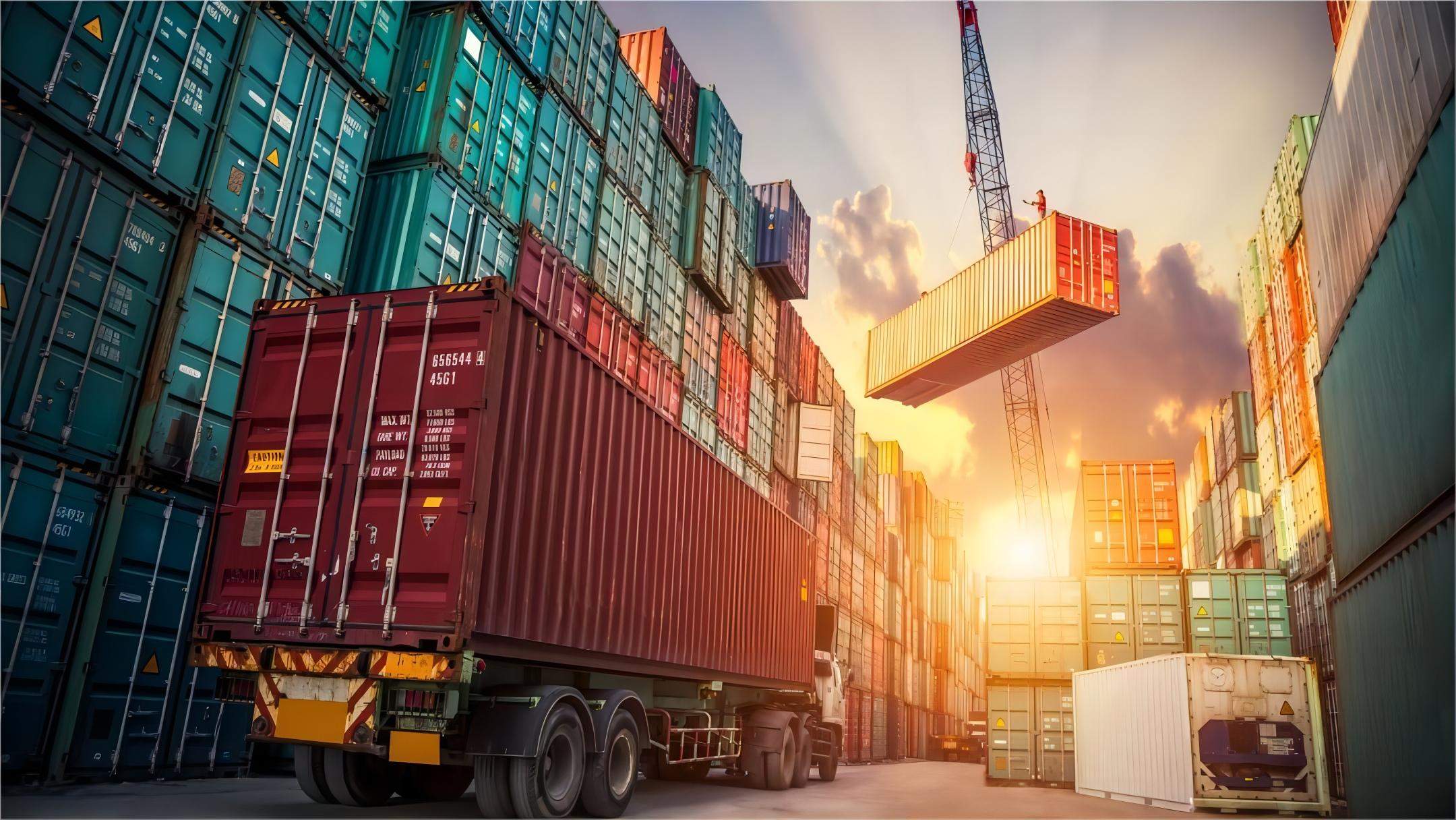
Freight Forwarding and Customs Canada: A 2026 Strategic Guide
Navigating the complexities of freight forwarding and customs Canada requires a deep understanding of evolving border compliance and trans-Pacific logistics. Importers often face significant delays when documentation lags behind cargo arrival or when duty structures are misaligned with product classifications. VeloTactics Logistics provides the technical oversight necessary to synchronize your supply chain, ensuring that every shipment meets CBSA requirements while optimizing transit efficiency. This guide details the essential operational benchmarks and compliance pillars required for successful, audit-ready imports into the Canadian market.
Key Takeaways
A standard 40HQ container provides approximately 68–76 CBM of usable space; aim for 65–70 CBM to account for palletization and weight distribution.
Air freight chargeable weight is calculated as the greater of actual gross weight or volumetric weight (L×W×H in cm / 6000).
CBSA mandates ACI eManifest filings to be submitted at least 24 hours prior to loading at the origin port for ocean freight containers.
Landed costs in Canada frequently include GST/HST, potential surtaxes, and broker clearance fees that must be calculated before final pricing.
What Should Buyers Know First About Canada Shipments?
The Canadian import market operates under a distinct regulatory framework managed by the Canada Border Services Agency (CBSA). Before initiating any freight movement, buyers must ensure they possess a valid Business Number (BN) with an import/export account tied to their legal entity. Understanding the specific nature of your goods, including their HS classification, is the primary trigger for determining duty rates, tax obligations, and potential permit requirements that could impact the overall landed cost.
Operational readiness begins with a clear assessment of your cargo-ready date relative to the carrier’s cut-off schedules at major Shanghai/Ningbo. Failure to align these timelines often results in costly storage fees or missed sailings, which are difficult to recover once the cargo has entered the port terminal environment. Importers must proactively coordinate with their freight forwarder to verify that all commercial documentation, such as the Commercial Invoice and Packing List, accurately reflects the physical state of the cargo prior to export.
Mitigation of risk requires a rigorous audit of your supply chain partners and their ability to handle the specific requirements of the China to Canada corridor. Buyers should prioritize transparency in Incoterms to avoid double-charging or hidden accessorials that frequently appear upon destination arrival. By establishing a clear protocol for document exchange and milestone tracking, businesses can maintain a predictable flow of goods while minimizing the risk of administrative hold-ups at the border.
Field note: Ensure your BN is active before the first ship date.
Common mistake: Neglecting to classify goods correctly leads to retrospective audits.
Risk alert: CBSA holds can extend total transit times by 5–10 days.
How Do Routing and Gateway Choices Affect This Lane?
Routing decisions are foundational to the speed and cost profile of your Canada-bound shipments. Major gateways like the Port of Vancouver or the Port of Prince Rupert serve as the primary entry points for ocean freight originating in Asia, offering direct rail connectivity to inland hubs like Toronto and Montreal. Choosing the right gateway depends heavily on your final destination and the urgency of your inventory replenishment, as rail dwell times can fluctuate based on seasonal volumes and port congestion levels.
For air freight, the choice of airport is equally critical, with hubs like Vancouver (YVR) and Toronto (YYZ) acting as major nodes for customs clearance and onward distribution. Air cargo typically moves faster but carries a significantly higher cost-per-kilogram, making it the preferred choice for high-value, time-sensitive, or small-batch components. Forwarders must coordinate with local drayage and trucking partners to ensure that once the cargo clears customs, there is an immediate handoff for final-mile delivery to the distribution center.
Gateway selection should also account for the geopolitical and environmental factors that can disrupt standard transit routes. For instance, winter weather conditions in Canada can impact road and rail transport, requiring shippers to build in additional buffer days during peak winter months. A robust logistics strategy involves evaluating multiple routing scenarios with your forwarder to determine the optimal balance between cost, transit time, and reliability for your specific commodity mix and volume requirements.
| Equipment Type | Internal Volume (CBM) | Max Payload (kg / lbs) | Optimal Commodity Fit |
|---|---|---|---|
| 20ft Standard (20GP) | 28–30 CBM (26 usable) | 21,800 kg / 48,000 lbs | Dense, heavy cargo (machinery, auto parts, metals) |
| 40ft Standard (40GP) | 58–60 CBM (54 usable) | 26,500 kg / 58,400 lbs | General packaged cargo, standard palletized loads |
| 40ft High Cube (40HQ) | 68–76 CBM (68 usable) | 26,500 kg / 58,400 lbs | Bulky, lightweight goods (furniture, textiles, electronics) |
| 45ft High Cube (45HQ) | 85–86 CBM (78 usable) | 27,500 kg / 60,600 lbs | High-volume consumer retail distribution |
Field note: Rail dwell times from West Coast ports to Toronto are currently averaging 4-7 days.
Common mistake: Choosing a gateway based solely on ocean freight rates without considering inland rail capacity.
Risk alert: Unexpected port labor actions can cause mass diversion to alternative gateways.
Cost vs Speed: Decision Rules for Canada Shipments

Determining the right mode mix requires a disciplined approach to balancing budget constraints against inventory velocity. For high-volume, standard-replenishment goods, ocean freight remains the most cost-effective solution, provided you can accommodate the 30–45 day transit windows typically seen between Asia and the West Coast. Conversely, if your product launch timeline or market demand spikes require immediate stock, air freight or expedited sea-air solutions are necessary to bypass the slower ocean segments.
The decision framework should prioritize the total landed cost rather than just the freight rate. This includes factoring in inventory carrying costs, insurance premiums, and the potential revenue loss associated with stockouts. For instance, while air freight is significantly more expensive, it may be the superior choice for high-margin items where the cost of capital tied up in inventory during a 45-day ocean transit outweighs the premium paid for 5-day air delivery. Always analyze the full cost-of-goods-sold (COGS) impact.
When comparing modes, leverage the expertise of VeloTactics Logistics to run comparative scenarios based on your specific CBM or weight. By modeling different modes against your cargo-ready date, you can identify the “tipping point” where the cost-to-speed ratio shifts. This analytical approach prevents reactive shipping decisions and allows you to plan your procurement cycles with greater precision, ensuring that your supply chain remains resilient against market fluctuations and carrier capacity shifts.
Field note: Always request an itemized quote to see origin and destination charges separately.
Common mistake: Ignoring the impact of inventory carrying costs when choosing slow-steaming ocean options.
Risk alert: Fuel surcharges can shift the cost-benefit analysis of ocean shipping rapidly.
What Transit Timeline Should You Expect?
Transit timelines for the China to Canada corridor are highly dependent on the chosen mode and the terminal efficiency at the arrival port. Ocean freight from major hubs like Shanghai or Ningbo to Vancouver typically takes 18–25 days of ocean transit, followed by an additional 7–14 days for offloading, customs clearance, and rail transport to major inland destinations. It is essential to treat these timelines as estimates, acknowledging that port congestion, vessel berthing delays, and rail dwell times can introduce volatility into your schedule.
Air freight timelines are significantly more predictable, generally ranging from 3 to 7 days from door-to-door, inclusive of customs clearance and final-mile delivery. However, shippers must account for the time required for cargo preparation, such as palletizing, labeling, and security screening at the origin airport. Booking air cargo during peak seasons requires advanced coordination, as capacity is often limited and subject to dynamic pricing, which can lead to last-minute flight cancellations or cargo bumping.
Managing expectations with internal stakeholders requires transparent communication regarding the “buffer” needed in every transit plan. We recommend adding a 7-day cushion for ocean shipments and a 2-day cushion for air shipments to absorb unexpected delays at the border or within the domestic transport network. By mapping these milestones in a shared project management tool, your team can react to exceptions in real-time, effectively mitigating the downstream impact of logistics delays on your sales and inventory targets.
| Leg of Transit | Method | Typical Days | Risk Notes |
|---|---|---|---|
| Origin to POD | Ocean | 18-25 | Vessel delays |
| Port Dwell | Terminal | 3-7 | Congestion |
| Inland Rail | Rail | 5-10 | Drayage wait |
| Final Mile | Truck | 1-3 | Traffic/Weather |
Field note: Factor in an extra week for customs inspection during peak holiday seasons.
Common mistake: Assuming the ‘port-to-port’ time is the total door-to-door transit time.
Risk alert: Inland rail capacity in Canada is a known bottleneck during autumn peak months.
How Are Landed Costs Typically Built?
Calculating the true landed cost of your Canadian imports involves aggregating multiple cost components beyond the base freight rate. These include origin pick-up charges, export documentation fees, ocean or air freight costs, marine or air insurance, and destination-specific charges like port handling, drayage, and customs brokerage. For many importers, the hidden costs associated with demurrage and detention at the destination terminal represent the largest unforeseen expense, which is why monitoring gate-out milestones is vital.
Customs duties and taxes are a significant, non-negotiable portion of your landed cost structure. In Canada, importers are required to pay GST/HST on the value of imported goods, along with any applicable customs duties based on the tariff classification. Utilizing a professional customs broker ensures that you are taking advantage of any applicable free trade agreements or duty deferral programs, which can significantly reduce your total tax burden. Always verify these costs before the cargo arrives to avoid cash flow issues.
We advise our clients to build a comprehensive cost template that breaks down every line item, allowing for a clear view of where capital is being deployed. By reviewing these costs on a shipment-by-shipment basis, you can identify patterns where specific accessorials are recurring, prompting a re-negotiation of service agreements or a change in logistics partners. Maintaining this level of granular visibility is the only way to ensure your pricing strategy in the Canadian market remains competitive and profitable over the long term.
Field note: Request a ‘Duty and Tax Estimate’ from your forwarder before booking.
Common mistake: Forgetting to include the cost of insurance in the total landed cost calculation.
Risk alert: Currency fluctuations between CAD and USD can impact your landed cost bottom line.
Which Documents and Compliance Checks Apply?
Compliance is the bedrock of efficient freight forwarding and customs Canada operations. The primary documents required for any import shipment include the Commercial Invoice, which details the value and description of the goods, and the Packing List, which provides the breakdown of weight, dimensions, and piece counts. For ocean shipments, the Bill of Lading acts as the title document, while air shipments utilize the Air Waybill. These documents must be perfectly aligned to avoid discrepancies that trigger CBSA inspections.
Beyond standard shipping documents, specific commodities may require additional permits, certificates of origin, or health and safety certifications. For instance, food products, electronics, or chemical goods often fall under the jurisdiction of other government departments (OGDs) like the Canadian Food Inspection Agency (CFIA) or Health Canada. Failure to provide these documents at the time of entry will result in immediate shipment holds, leading to demurrage and storage costs that escalate rapidly while your cargo sits in a bonded warehouse.
Proactive compliance management involves a “pre-clearance” strategy where documents are submitted to your broker for review well before the cargo arrives. This allows time to correct errors or secure missing information without incurring penalties or delays. We encourage all importers to maintain a digital repository of all shipping documentation for at least six years, as required by Canadian law for potential tax and customs audits. A well-organized compliance file is your best defense against unexpected regulatory hurdles at the border.
| Document / Filing | Lead Time | Responsible Party | Hold if Missing |
|---|---|---|---|
| ACI e-Manifest | ≥2h prior to border / vessel load | Carrier / Broker | Secondary exam & yard dwell |
| Canada Customs Invoice (CCI) | With commercial set | Exporter / Shipper | CBSA release delay |
| CBSA CARM / B3 Entry | Within release window | Importer / Broker | Duty reassessment & storage |
| Bill of Lading / PARS | Pre-tender alignment | Carrier | Border reject & refile |
Field note: Use the VeloTactics Logistics compliance portal to store your shipping records.
Common mistake: Submitting a Commercial Invoice that does not match the actual value of the goods.
Risk alert: Incorrect HS codes are the #1 cause of CBSA audits for new importers.
How Do Peak Seasons Affect Capacity and Pricing?
Peak seasons in the Canada-bound trade lane are characterized by capacity shortages and aggressive pricing. During the months leading up to the holiday season (typically August through October) and the lead-up to the Lunar New Year, carrier space becomes extremely limited, and rates can spike by 50% or more. Importers who rely on spot market bookings during these times often find themselves paying a premium or seeing their cargo rolled to subsequent vessels or flights, which can disrupt inventory planning.
Managing peak season risk requires advance planning and a commitment to carrier space allocations. By securing block space agreements with your forwarder, you can lock in capacity at more predictable rates, insulating your supply chain from the most volatile pricing swings. It is also wise to diversify your shipping routes and carrier mix during these high-demand periods, ensuring that you have alternatives if a primary carrier experiences a capacity crunch or operational failure that stalls your cargo.
Communication with your suppliers is equally vital; ensure they are aware of your peak season shipping windows and are prepared to have cargo ready ahead of schedule. When cargo is ready early, you have the flexibility to choose the most reliable sailing rather than being forced into an expensive, last-minute booking. This proactive stance on scheduling, combined with clear communication with your logistics provider, ensures that your business maintains continuity even when the broader market is experiencing significant stress.
Field note: Book your peak season space at least 4-6 weeks in advance.
Common mistake: Waiting until the last minute to book during peak months, resulting in rolled cargo.
Risk alert: Carrier blank sailings can reduce available capacity by 20% on short notice.
What Is the Step-by-Step Process from Quote to Delivery?
The execution process begins with a detailed shipment profile capture, where we define the cargo-ready date, CBM/weight, commodity, HS code, and applicable Incoterms. This foundational data allows us to select the most appropriate mode and service scope, ensuring that your landed-cost targets are met. Once the service scope is agreed upon, we initiate the documentation and compliance gateway, verifying that all commercial invoices and packing lists are aligned with CBSA requirements before any physical movement of goods occurs.
After the documentation is verified, we proceed to space booking and cut-off locking, reserving the necessary carrier or co-loader space and confirming the export cut-off windows in writing. The mainhaul phase involves continuous milestone tracking, where we monitor departure, arrival, and any potential exception alerts against the awarded transit plan. Throughout this phase, our team provides regular updates, ensuring that you are fully informed about the progress of your cargo and any factors that may impact the final delivery schedule.
The final stage of the process is destination release and delivery, where we manage the customs clearance process and coordinate the final-mile transport to your door. This includes the payment of duties and taxes, clearing the cargo through the port terminal, and scheduling the final truck delivery. By following this structured SOP, we minimize the risk of handoff errors and ensure that your shipment remains on track from the factory floor to your warehouse, providing the peace of mind that comes with professional logistics management.
Field note: Our VeloTactics Logistics team provides end-to-end milestone tracking.
Common mistake: Failure to provide the final delivery address early, causing delays in drayage scheduling.
Risk alert: Incomplete delivery instructions can lead to storage fees at the final-mile terminal.
Decision Framework
By volume: Capture CBM/kg first; under ~2 CBM often fits express/air, mid volumes need LCL/FCL comparison, and oversized lots require dedicated equipment quotes.
By speed: Urgent windows under ~7 days favor air/express; standard replenishment can use ocean, rail, or multimodal once cargo-ready timing and destination entry data are locked.
By cargo profile: Flag DG, temperature-control, or oversized handling before award — these change documentation and carrier acceptance. Use destination national filings only.
Real-World Corridor Case Studies
A home goods brand consolidated LCL cargo at Shenzhen origin CFS, ocean-transited to Vancouver, and used IPI rail toward Montreal. The forwarder managed CARM client portal filings and HS alignment before the container released to the rail operator.
An industrial machinery importer shipped two 40HQ containers from Shanghai to the Port of Vancouver. The forwarder secured direct vessel allocation with prioritized rail discharge onto the CN mainline toward Calgary. Advance CBSA cargo data was filed before vessel loading in China, enabling CARM release upon dock discharge.
Execution Checklist for Canada Shipments
Successfully navigating the complexities of freight forwarding and customs Canada requires measurable gates—volume, transit, and compliance—to be established well before the carrier award. By auditing your document packs, verifying HS classifications, and confirming the capacity of your destination drayage partners, you create a buffer against the inherent volatility of the international shipping market.
Document who pays origin vs destination line items early in the process so that handoffs on your shipments do not lead to invoice disputes or unexpected storage fees. For ongoing support in optimizing your trade lane, we invite you to consult with our team to refine your logistics strategy and maintain a competitive edge.
Process and Checkpoints
Shipment Profile Capture
Confirm cargo-ready date, CBM/weight, commodity, HS code, and Incoterms.
Mode & Service Scope Selection
Compare air / LCL / FCL (or specialty) against transit and landed-cost targets.
Documentation & Compliance Gate
Align commercial invoice, packing list, and any specialty filings before booking.
Space Booking & Cut-off Lock
Reserve carrier/co-loader space and confirm export cut-off windows in writing.
Mainhaul & Milestone Tracking
Monitor departure, arrival, and exception alerts against the awarded transit plan.
Destination Release & Delivery
Clear destination formalities and complete final-mile delivery to the agreed door.
Confirm the right route for your shipment
Ready for a scoped proposal on your next shipment? Share your origin, destination, cargo details, and Incoterms to receive an itemized, transparent freight quote.
Request a route reviewFrequently Asked Questions
How do destination demurrage and detention charges accrue on 40HQ containers?
Demurrage accrues when a container remains at the terminal beyond the allotted free time, while detention applies when the container is not returned to the carrier within the specified window after pick-up.
What hidden accessorial fees often cause freight invoice shocks?
Common hidden fees include port congestion surcharges, chassis usage fees, emergency fuel surcharges, and manual documentation processing fees that appear at the destination stage.
Which documents must be verified prior to requesting a Telex release?
You must verify the signed Bill of Lading, the commercial invoice, and payment confirmation status to ensure the cargo can be legally released by the carrier at the destination port.
How can multi-supplier shippers prevent CFS dead-space penalties?
By utilizing a consolidation warehouse, you can group smaller shipments from multiple suppliers into a single FCL container, which minimizes empty space and reduces the per-unit shipping cost.
When is the mandatory cut-off time for submitting ACI eManifest documentation?
For ocean freight, ACI eManifest filings must be submitted to the CBSA at least 24 hours prior to the cargo being loaded onto the vessel at the port of origin.
Where does the freight forwarder take legal custody of multi-supplier cargo?
The freight forwarder typically takes legal custody at the point of consolidation, which is often a CFS warehouse at the origin, once the cargo has been inspected and received.
Rates and surcharges fluctuate; request an itemized quote.
Informational only; not binding legal/tax/customs advice.
Benchmarks reflect standard 2026 practice for this corridor.