
What Is the Cheapest Way to Ship Freight to Canada in 2026?
Meeting award deadlines demands earlier cost clarity when securing Is the Cheapest Way to Ship to Canada across competing forwarder quotes. Late duty classifications and missing accessorial maps often force re-quotes after cargo-ready dates are already locked. VeloTactics Logistics provides synchronized cost breakdowns so procurement can award with confidence before cut-off week. This 2026 guide details landed-cost formulas and execution benchmarks for auditable corridor awards.
Key Takeaways
A 40HQ container typically supports 65–70 CBM of dense cargo; exceeding this limit often incurs heavy repositioning or overweight penalties.
Air freight chargeable weight is calculated as the higher of actual weight or volumetric weight based on a 1:167 ratio (CBM to kg).
Essential Canadian customs filings, including ACI eManifest, must be completed at least 24 hours prior to vessel loading or border transit to avoid administrative holds.
Landed cost calculations must include a 5% GST on the duty-paid value, which is a mandatory tax component for most commercial imports into the country.
What Core Components Make Up Is the Cheapest Way to Ship to Canada in 2026?

The most economical path for shipping freight to Canada is rarely determined by the base ocean or air rate alone; it is the sum of origin charges, main-haul freight, and destination-side accessorials. Shippers must evaluate their total landed cost by isolating the base rate from mandatory terminal handling charges (THC) and bunker adjustment factors (BAF). When comparing quotes, ensure that each provider is quoting on an apples-to-apples basis regarding the inclusion of origin documentation and destination port fees.
Operational efficiency is achieved by auditing every line item, as low base rates are frequently subsidized by inflated destination fees that catch inexperienced importers off guard. By analyzing the cost-per-unit across different volume tiers, procurement teams can determine if they should leverage LCL consolidation or transition to FCL equipment. Furthermore, the timing of your booking relative to the vessel’s cut-off date plays a significant role in avoiding late-entry fees that can quickly negate any initial savings on the base freight rate.
Mitigating unnecessary costs involves early engagement with your logistics partner to forecast capacity needs and align with standard sailing schedules. By ensuring that your commercial invoice and packing list are perfectly reconciled with the transport document, you prevent costly delays at the border that often result in storage and demurrage charges. Continuous monitoring of these variables allows for a more predictable and scalable supply chain, ultimately identifying the true cheapest way to ship freight to Canada for your specific volume profile.
Field note: Ensure your broker is integrated with CBSA systems.
Common mistake: Ignoring the 5% GST impact on the final landed value.
Risk alert: Peak season surcharges can spike base rates by 30%.
All-In vs Itemized Billing: Which Quote Structure Fits Your Budget?
The debate between all-in and itemized billing depends largely on your need for cost predictability versus your desire for granular visibility into individual fee components. All-in billing offers the advantage of simplicity, providing a single, comprehensive price that simplifies accounting and reduces administrative overhead for procurement teams. However, this structure may conceal inefficiencies, making it difficult to pinpoint which segment of the supply chain is driving excessive costs or where optimization opportunities might exist.
Itemized billing, while more complex, provides the transparency required for rigorous cost control and vendor performance evaluation. By seeing a clear separation between ocean freight, fuel surcharges, and destination handling, you can negotiate specific components that deviate from industry benchmarks. For high-volume importers, this level of detail is indispensable for building accurate landed-cost models and identifying systemic issues that could be causing budget overruns in specific corridors or during specific seasonal windows.
Ultimately, the choice should be driven by your company’s internal reporting requirements and the degree of control you wish to exert over the supply chain. If your organization prioritizes rapid, low-touch execution, an all-in structure may be more efficient. Conversely, if your strategic goal is to minimize total expenditure through detailed analysis, an itemized approach is superior. Whichever you choose, ensure your logistics provider provides a consistent format that allows for easy comparison across different shipments.
Field note: Request a comparative analysis of both structures for your next shipment.
Common mistake: Failing to verify what ‘All-In’ actually covers in the fine print.
Risk alert: Hidden ‘handling’ fees in all-in quotes can hide margin padding.
What Transit Timeline Should You Expect?
Transit timelines are heavily influenced by the chosen mode of transport, the specific origin and Vancouver/Prince Rupert, and the efficiency of the customs clearance process. For ocean freight, you must factor in both the port-to-port steaming time and the subsequent rail or truck transit to the final inland destination. Air freight is significantly faster but comes at a premium cost, making it suitable only for time-sensitive inventory or high-value goods where the capital carrying cost outweighs the expense of faster transit.
Understanding the milestones of your transit is crucial for effective inventory management and avoiding stockouts. The process begins with the cargo-ready date, followed by export customs, vessel loading, transit, and finally, import clearance and last-mile delivery. Delays at any of these stages—particularly during peak seasons when port congestion is high—can extend your total door-to-door timeline by several days or even weeks. It is vital to build a buffer into your delivery schedules to accommodate these potential disruptions.
Reliable transit planning requires access to real-time tracking and a firm grasp of the carrier’s service reliability on your specific lane. By leveraging the expertise of a professional freight forwarder, you can gain insights into current port performance and choose routes that minimize the risk of delay. Maintaining a proactive communication schedule with your team ensures that all parties are informed of any potential deviations, allowing for quick adjustments that keep your supply chain moving smoothly toward its final destination.
Field note: Always check for ‘blank sailings’ that can delay ocean transit.
Common mistake: Overestimating cargo-ready speed versus vessel cut-off dates.
Risk alert: Winter weather in Canadian ports can cause significant rail delays.
How Are Landed Costs Typically Built?
Building an accurate landed cost requires aggregating every expense from the point of origin to the final destination warehouse. This includes the cost of goods, ocean or air freight, insurance premiums, and all destination-side fees such as wharfage, drayage, and customs clearance charges. Many companies overlook the impact of currency fluctuations and the 5% GST, which is applied to the duty-paid value of the goods, causing significant discrepancies between estimated and actual landed costs.
To construct a reliable model, you must categorize costs into fixed and variable buckets, allowing for sensitivity analysis based on volume and market volatility. For example, while ocean freight rates may be stable, drayage costs can fluctuate based on driver availability and fuel prices. Integrating these variables into your financial planning enables a more holistic view of profitability, ensuring that each product line contributes positively to the bottom line despite the complexities of international logistics.
Effective landed-cost management is an iterative process that benefits from historical data analysis and constant market monitoring. By documenting the actual costs of previous shipments, you can refine your estimates and identify patterns of unnecessary expenditure. This systematic approach not only improves the accuracy of your procurement budgeting but also empowers your team to make data-driven decisions that consistently find the cheapest way to ship freight to Canada while maintaining high service levels.
| Accessorial / Surcharge Item | Typical Cost Band (USD) | Trigger Scenario | Financial Impact if Unmanaged |
|---|---|---|---|
| Customs Exam Hold (VACIS/CET) | $300 – $1,200 / entry | Random CBP customs physical inspection or X-ray hold | Unplanned exam and bonded yard demurrage fees |
| HS Code Tariff Discrepancy | Variable (10%–25% tax) | Factory misclassified HS code, triggering higher duties | Immediate customs penalty and bond suspension |
| Liftgate / Residential Drayage | $75 – $185 / drop | Final-mile address lacks loading dock or forklift | Re-delivery surcharges from domestic linehaul carriers |
| Single Entry Bond Shortfall | $65 – $150 / entry | Declared commercial invoice value exceeds bond limit | Cargo held until continuous bond supplement is filed |
| Demurrage During Tax Review | $150 – $300 / day | Importer of Record (IOR) VAT/Duty tax verification delay | Compound port storage while awaiting tax release |
Field note: Use our landed-cost calculator to map out your next import lifecycle.
Common mistake: Forgetting to include the 5% GST in the final landed-cost total.
Risk alert: Inaccurate HTS classification can lead to unexpected duty spikes.
How Do Duty, GST/VAT, and Broker Fees Enter the True Landed Cost?
Customs duties and taxes are often the largest variable costs in an international shipment, and their calculation is dependent on the HTS code assigned to your products. In Canada, importers are responsible for paying the 5% Goods and Services Tax (GST) on the total value for duty, which includes the cost of the goods, insurance, and freight charges. Failure to correctly classify your goods or accurately determine their value can lead to significant penalties and costly delays at the border.
Brokerage fees are another essential component, covering the professional service of clearing your cargo through CBSA and ensuring compliance with all trade regulations. While it may be tempting to minimize these costs, working with an experienced, professional broker is an investment in preventing much larger costs associated with non-compliance or shipment abandonment. A reliable broker will proactively manage your entries and ensure that all documentation, including the Commercial Invoice and Packing List, is accurate and submitted on time.
To optimize these costs, importers should invest in thorough HTS classification training and maintain clear, consistent communication with their customs broker. By ensuring that all product descriptions are precise and that valuations are defensible, you can minimize the risk of audits and unforeseen duty assessments. Partnering with a logistics provider that offers integrated brokerage services simplifies this entire process, centralizing your compliance efforts and reducing the friction associated with moving goods across borders.
| Cost Component | Typical Assessment Base | Who Usually Pays | Planning Note |
|---|---|---|---|
| CIF / customs value | Goods value + freight + insurance (as declared) | Importer of record | Wrong valuation drives duty and VAT/GST miscalc |
| Import duty / tariff | % of customs value by HS chapter | Importer / DDP seller (by Incoterms) | Confirm HS binding before award |
| VAT / GST / sales tax | Duty-paid value (or local statutory base) | Importer / fiscal representative | Registration and reclaim rules vary by market |
| Customs broker / clearance fee | Per entry or per shipment band | Importer / nominating party | Separates from freight; exams add extras |
| Exam / storage / disbursement | Event-driven (exam, demurrage, advance) | Importer / broker client account | Often outside base ocean/truck quote |
Field note: Ensure your HTS codes are validated annually to avoid duty overpayments.
Common mistake: Misclassifying goods, leading to incorrect duty rates.
Risk alert: Incorrect valuation is the leading cause of CBSA audits.
How Do Peak Seasons Affect Capacity and Pricing?
Peak seasons, typically tied to holiday retail cycles and annual production deadlines, exert immense pressure on global freight capacity, leading to rapid price escalation. During these periods, carriers often implement peak season surcharges (PSS) and prioritize higher-margin cargo, leaving smaller or lower-priority shipments at risk of being ‘rolled’ to a later sailing or flight. This volatility makes it essential to secure your space well in advance and to maintain strong relationships with your carriers.
Managing the impact of peak seasons requires a proactive approach to capacity planning and a willingness to explore alternative routing options when necessary. For instance, if major ports are congested, your logistics provider might suggest diverting cargo to a smaller regional gateway or utilizing a different mode of transport to bypass the bottlenecks. While these alternatives might appear more expensive on the surface, they often prove to be the cheapest way to ship freight to Canada when you factor in the high costs of production downtime and missed sales opportunities.
To successfully navigate these challenging periods, develop a clear communication plan with your suppliers to ensure that cargo is ready exactly when the carrier requires it. By avoiding last-minute changes and providing accurate, early documentation, you improve your standing with carriers and increase your chances of securing space. This level of operational discipline is critical for maintaining consistency in your supply chain and ensuring that your goods arrive on time, even when market conditions are at their most volatile.
Field note: Book at least 4 weeks out during peak Q3/Q4 cycles.
Common mistake: Waiting until the last minute to secure space during peak months.
Risk alert: Capacity shortages can lead to significant, unquoted ‘spot’ rate hikes.
What Is the Step-by-Step Process from Quote to Delivery?
The logistics process is a multi-stage journey that demands precise coordination and clear documentation at every handoff. It begins with the initial quote and booking, where you define the scope of the shipment, the required Incoterms, and the preferred transit mode. Once the booking is confirmed, the focus shifts to origin operations, including the collection of cargo, the preparation of the packing list and commercial invoice, and the completion of export customs filings to ensure a smooth departure from the origin country.
As the shipment moves through the main-haul segment, proactive tracking and status updates become vital for managing expectations and preparing for the arrival phase. Upon arrival at the port of entry, the focus transitions to import customs clearance, where the importer of record must ensure all duties and taxes, including the 5% GST, are paid to the border authorities. Following clearance, the final stage involves the drayage or inland transport to the destination facility, where the cargo is offloaded and verified against the original shipping documents.
A successful delivery is the result of rigorous adherence to this step-by-step process and the ability to quickly resolve any friction that arises along the way. By working with a professional team that follows a standardized operational procedure, you minimize the risk of errors and ensure that your goods are delivered efficiently and cost-effectively. This systematic approach is the foundation of a resilient supply chain and is the most reliable way to consistently achieve your logistics goals in an increasingly complex international environment.
Field note: Keep your packing list and commercial invoice ready for immediate carrier review.
Common mistake: Failing to provide exact weights, leading to weight-based penalties.
Risk alert: Missing documentation is the primary cause of inbound port delays.
Decision Framework
By volume: Capture CBM/kg first; under ~2 CBM often fits express/air, mid volumes need LCL/FCL comparison, and oversized lots require dedicated equipment quotes.
By speed: Urgent windows under ~7 days favor air/express; standard replenishment can use ocean, rail, or multimodal once cargo-ready timing and destination entry data are locked.
By cargo profile: Flag DG, temperature-control, or oversized handling before award — these change documentation and carrier acceptance. Use destination national filings only.
Real-World Corridor Case Studies
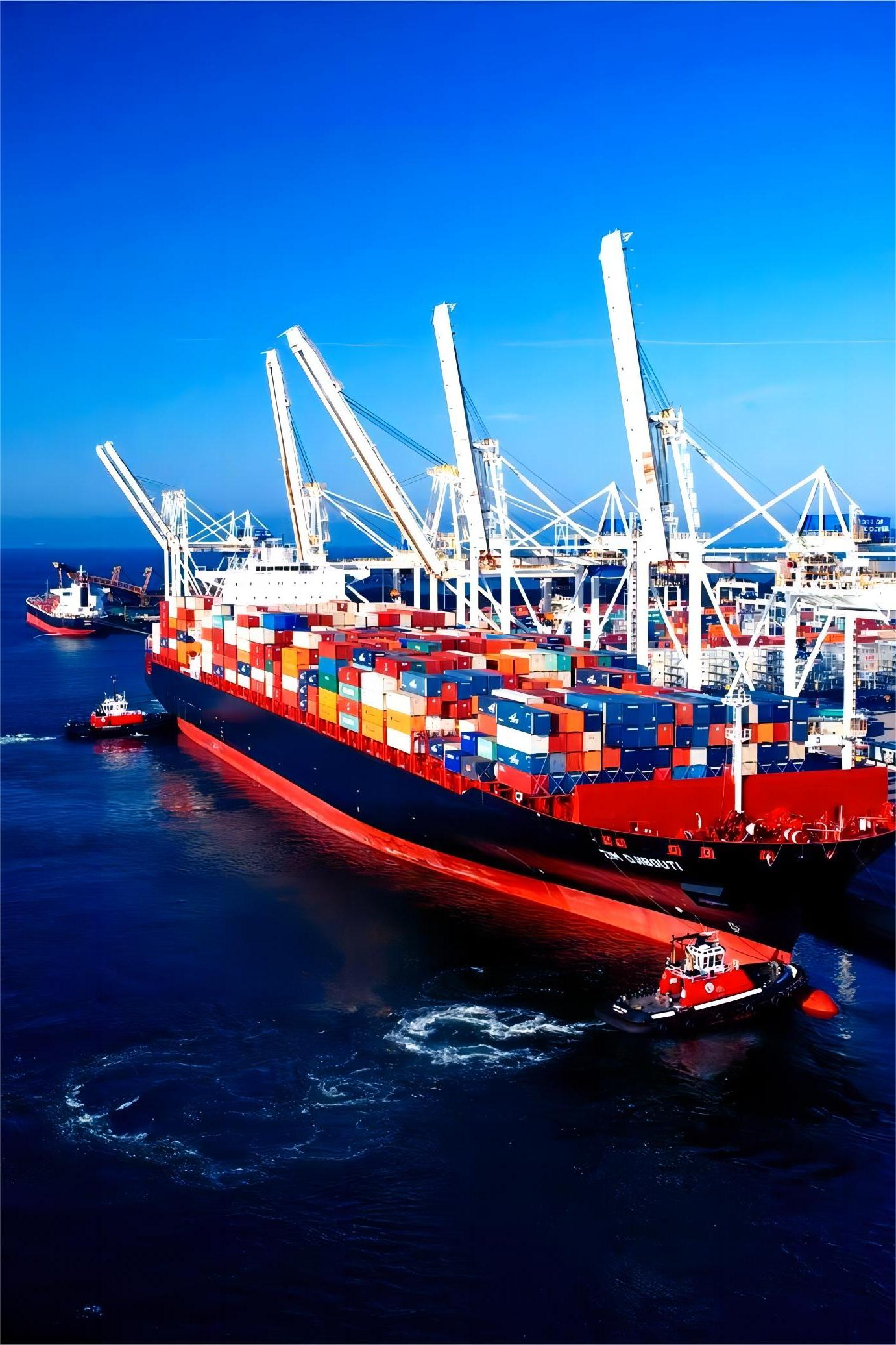
An industrial machinery importer shipped two 40HQ containers from Shanghai to the Port of Vancouver. The forwarder secured direct vessel allocation with prioritized rail discharge onto the CN mainline toward Calgary. Advance CBSA cargo data was filed before vessel loading in China, enabling CARM release upon dock discharge.
A cross-border retailer moved seasonal consumer goods via Prince Rupert to bypass West Coast terminal congestion. The carrier coordinated direct on-dock rail transfer to Toronto distribution hubs. CBSA pre-arrival data and broker synchronization eliminated terminal dwell, achieving a 19-day door-to-door transit.
Landed-Cost Action Plan for Is the Cheapest Way to Ship to Canada
Identifying the cheapest way to ship freight to Canada requires moving beyond base-rate comparisons to a holistic view of the total landed cost. By accounting for all accessorials, duty structures, and potential transit delays, importers can build a more predictable and cost-efficient supply chain that supports long-term growth.
As you refine your logistics strategy, remember that documentation accuracy and proactive partner coordination are your best defenses against invoice shock. Contact our team to request an itemized cost analysis to ensure your next shipment is as efficient as possible.
Process and Checkpoints
Scope & Incoterm Capture
Define EXW/FOB/DDP scope and what the quote must include.
Line-Item Rate Build
Separate base freight, surcharges, customs, and delivery bands.
Duty & Tax Estimate
Apply HS-driven duty and destination tax assumptions.
Scenario Comparison
Compare at least two modes or service levels with the same scope.
Quote Validation
Reconcile packing list weights/volumes against quoted bands.
Award & Booking
Lock awarded lane and document excluded accessorials in writing.
Confirm the right route for your shipment
Need an itemized landed-cost breakdown? Share your commercial value, HS code, CBM/weight, Incoterms, and destination zip for an all-in comparison.
Request a route reviewFrequently Asked Questions
What is the Importer of Record (IOR) role under DDP door delivery?
The IOR is legally responsible for entry filings, duties, and compliance; without one, cargo can be seized.
Which fees are often excluded from headline DDP quotes?
Customs exams, liftgate/residential delivery, and storage during tax review frequently sit outside base DDP.
How does HS code misclassification change the all-in DDP duty line?
Wrong HS chapters can raise duty rates materially and trigger amendments, exams, or bond issues.
When should buyers request a continuous bond instead of single-entry bonds?
High-frequency or high-value importers usually need a continuous bond to avoid per-shipment shortfalls.
What happens if destination customs holds a DDP shipment for exam?
Exam fees plus yard or rail-terminal storage accrue until release—even when freight and duties were prepaid under DDP.
How can shippers control demurrage, detention, or terminal storage after a customs hold?
Pre-lodge entry data, keep HS/value packs audit-ready, and escalate broker responses inside free time before last-mile trucks are dispatched.
Rates and surcharges fluctuate; request an itemized quote.
Informational only; not binding legal/tax/customs advice.
Benchmarks reflect standard 2026 practice for this corridor.